


Dive into the inspiring world of Audiopedia's Projects, where you'll find firsthand accounts of how our Field Partners are using Audiopedia to empower marginalized women across the globe. These stories showcase the real impact of our collective efforts, highlighting the successes and challenges faced in the field. Get a unique glimpse into the transformative power of Audiopedia and learn from the experiences of our dedicated partners.
Audiopedia Projects
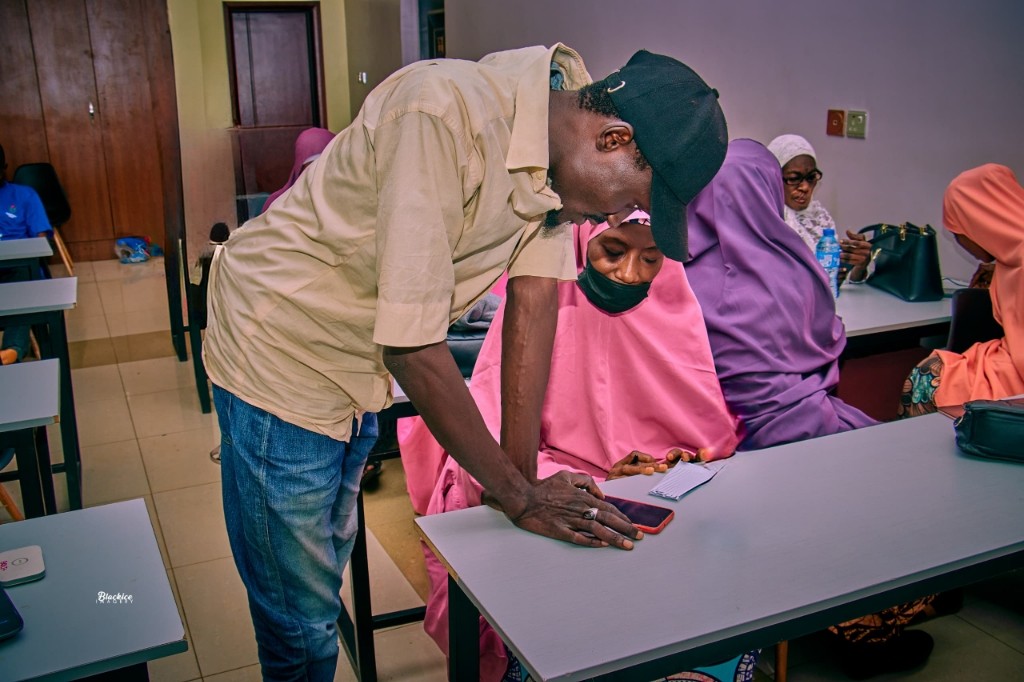
Empowerment of Northern Nigerian Women through Audiopedia
We often share with you how Audiopedia is making a difference. But the real impact is best told by those on the ground. Today, we’re honored to share one of those voices with you: Aliyu Yusuf from Abuja, Nigeria, passionate Community Advocate at Arewa Empowerment & Cultural Renaissance Foundation (AECRF), tells us in his very own words about how he is using Audiopedia in his daily work with Nigerian women. He has kindly agreed to write the following blog post for us himself.

Written by Felicitas Heyne
September 12, 2025

Empowering Communities through Climate Resilience: Audiopedia and Deutsche Postcode Lotterie Unite for Water Management in Sub-Saharan Africa
Access to clean, reliable water is a fundamental human right—yet for millions of people living in Sub-Saharan Africa, this right is increasingly under threat. Climate change is intensifying droughts, disrupting rainfall patterns, and exacerbating water scarcity. In many communities, the responsibility for fetching water and managing household resources falls on women, who must grapple with these changing conditions on a daily basis.

Written by Marcel Heyne
February 20, 2025

Audiopedia Foundation and Pro Mujer join forces to bring audio education to thousands of indigenous women
In an effort to break down barriers to access to knowledge and promote gender equality, the Audiopedia Foundation and Pro Mujer have established a strategic alliance to bring educational content in audio format to thousands of indigenous and rural women in Latin America.
Written by Marcel Heyne
January 24, 2025

Launching Audiopedia Bharat – Empowering Rural India Through Accessible Knowledge
India’s rural heartland, home to approximately 900 million people, is a vibrant tapestry of culture and community but also faces profound challenges in accessing essential information and resources. Among those most impacted are women—key agents of change who often lack access to the knowledge they need to make informed decisions about their health, rights, and livelihoods
Written by Marcel Heyne
January 15, 2025